
What Algorithms Do (And What They Don't)
What do you mean 65%?!

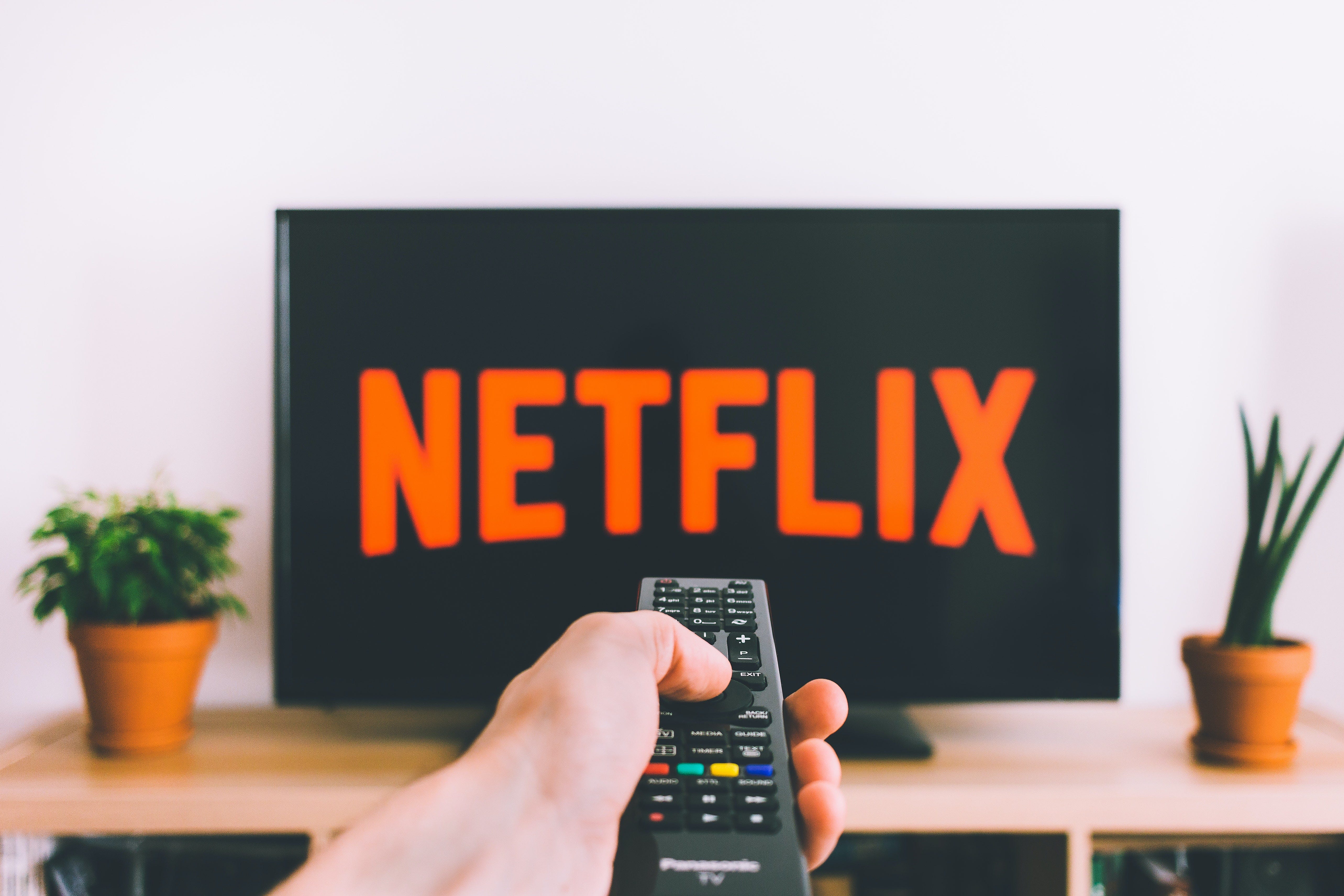
Last night, I scrolled through the Comedy section of Netflix and saw something concerning. Every stand-up special I thought seemed right up my alley had a match rating of 65%.
Netflix saw me rolling up and was like, “Dave Chappelle? No, I don’t think you’d care for his work. We do, however, have a whole host of independent films to deliver that good cry we know you’re open to.”
My first thought was, “Time to update the ol’ algorithm, Netflix.” My second thought was, “Wait…when was the last time I watched something funny?”
Spotify’s Discover Weekly paints a similar picture. I haven’t been listening to a ton of music, but when I do, it’s usually something by John Prine or Justin Townes Earle. Great storytelling, emotionally captivating, but not a lot of knee-slappers. Doesn’t help that both of those artists died last year.
Throw in the accounts Twitter suggests I follow and the sponsored content in my feeds and something becomes crystal clear – the algorithms do a really good job, even when their job kind of sucks.
I once had a substitute teacher who mused the Thermos is the smartest device ever invented because it knows which things you want to keep hot and which things you want to keep cold, AND YOU DON’T EVEN HAVE TO TELL IT!
He thought this was a hilarious joke until an entire room of perplexed seventh graders stared blankly until someone finally muttered, “It’s not smart…It just keeps stuff the way it already is.”
Lately, I’ve been thinking about how media consumption impacts my mental health, and I’m starting to think streaming services are just highly advanced thermoses.
Instead of suggesting I level set with re-runs of The Office when I’ve been watching too much heavy shit, Netflix recommends even more murder. Likewise, Spotify doesn’t see an extended run of sad bastard music and think, “This dude could use some 90’s country to unlock happy childhood memories of the county fair.”
I’m not anti-technology. Decompressing with a new series after the kids go to sleep or listening to a great playlist can be hugely beneficial from a mental health standpoint. I’ve certainly enjoyed shows I never would have discovered if Netflix didn’t recommend them, and I’ve built playlists with artists Spotify introduced me to.
Recommendations and personalized playlists are great features, but it’s important to know what I’m putting in the thermos. Otherwise, the algorithms that fuel these platforms can lull me into autopilot, until I find myself in the middle of unpleasant terrain, wondering how I got there.
It reminds me of a bit from Dave Chappelle’s special, Killin’ Them Softly, where he’s chilling in the back of his limo after a show and doesn’t realize the driver is taking him to the middle of the projects until it’s too late. It’s one of my all-time favorite bits, which might surprise you, unless you know me better than Netflix does.